

The aluminum glass railing has become a defining feature of modern architecture, admired for its durability, safety, and sleek
design. Far from being just a contemporary trend, this innovation represents centuries of progress, combining aluminum,
glass, and railings into one seamless solution.
In this blog, we’ll explore the fascinating origins of these materials, their evolution, and why aluminum glass railings are now
considered the perfect blend of style, safety, and luxury.
1. The Origin of Aluminum, Glass, and Railings
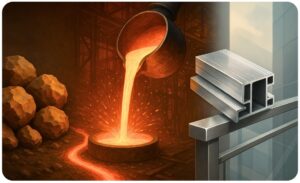
Aluminum’s Journey: From Clay to Commerce Although aluminum is the most abundant metal in Earth’s crust, it was once
considered more precious than gold. In the 1820s, Hans Christian Ørsted produced the first sample, but it wasn’t until the
1880s — with the Hall-Héroult process — that aluminum became affordable and widely used in construction and design.
Glass’s Long History: Glass dates back to Mesopotamia and Egypt around 3500 BC, where it was first used for beads and
vessels. The Romans revolutionized its use with glassblowing, and centuries later, the invention of float glass in the 20th
century made perfectly flat sheets possible — paving the way for today’s architectural applications like railings.
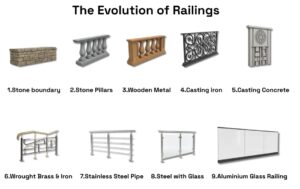
The Railing’s Purpose: Since ancient times, railings have been about safety first. From wooden or rope barriers to bronze and
iron designs in Rome, railings evolved as both functional and decorative elements. Today, aluminum and glass have taken
them to a whole new level.
2. The Birth and Security of Aluminum Glass Railings
The modern aluminum glass railing emerged in the 20th century as architects sought materials that provided safety without
blocking views. The result? A lightweight, corrosion-resistant aluminum frame paired with strong, transparent glass. This
minimalist solution perfectly matched the clean lines of contemporary architecture.
3. Safety vs. Security Glass: What’s the Difference?
When choosing a railing, it’s vital to understand the types of glass:
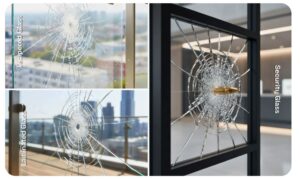
- Safety Glass (tempered or laminated)
– Tempered glass is heat-treated for strength and shatters into small, blunt pieces.
– Laminated glass holds together with a PVB interlayer, preventing shards from falling apart. - Security Glass
– Engineered for impact resistance, resisting forced entry, bullets, or explosions.
– Typically stronger laminated glass with extra layers.
For railings, safety glass is the most common—ensuring maximum protection for homes and commercial spaces.
4. Why Aluminum Glass Railings Are Safe
Aluminum glass railings combine tempered or laminated safety glass with a sturdy, corrosion-resistant frame. Unlike wood
or iron, aluminum doesn’t rust or decay, ensuring long-term structural integrity.
Key safety benefits include:
– Compliance with strict building codes.
– Long-lasting stability against weather and wear.
– Secure installation that minimizes risks of accidents.
💡 The perfect formula for safety: corrosion-free aluminum + high-strength chemical fasteners + certified safety/security
glass. This trio creates a railing system that is exceptionally durable, impact-resistant, and secure, giving complete peace of
mind for both residential and commercial projects.
5. The Premium Appeal of Aluminum Glass Railings
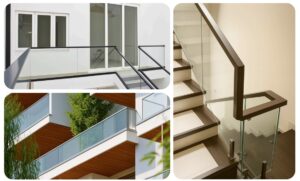
Beyond safety, aluminum glass railings are a luxury statement. Their transparent, unobtrusive look creates open, airy
spaces while preserving stunning views — ideal for balconies, staircases, and decks.
Other premium advantages include:
Low maintenance: occasional cleaning is enough.
Timeless design: modern yet versatile for any property style.
High property value: enhances both aesthetic and resale appeal.
💡 Design advantage: Aluminum glass railings naturally blend with the environment, elevating the space with elegance and
modernity. Unlike traditional wood or iron railings that often look out of place or outdated, aluminum glass railings integrate
seamlessly into your interiors and exteriors, enhancing the overall aesthetic rather than diminishing it.
Conclusion
ibax aluminium glass railings are not just a safety feature — they are a benchmark of premium architectural solutions. Built
with pure Aluminium-6063T6, certified tempered/laminated safety glass, and custom ibax chemical fasteners, they ensure
unmatched structural integrity, long-term durability, and compliance with global safety standards.
Unlike traditional wood, iron, or low-grade aluminum systems, ibax railings are corrosion-free, weather-resistant, and
precision-engineered to perform for decades without losing their elegance. Their slim, minimal frames highlight the beauty
of glass, creating airy, unobstructed views while enhancing both residential and commercial spaces.
With ibax, safety meets sophistication. Every railing is designed to elevate property value, blend seamlessly with modern
interiors and exteriors, and provide complete peace of mind. Choosing ibax aluminium glass railings means choosing a
future-ready solution where design, safety, and durability come together in perfect balance.
FAQs on Aluminium Glass Railings
1. What are ibax aluminium glass railings?
Premium railing systems made with pure Aluminium 6063-T6 and tempered/laminated glass, designed for safety and
modern aesthetics.
2. Are ibax railings safe?
Yes. They use safety glass, corrosion-free aluminium, and chemical fasteners, fully compliant with building codes.
3. Why choose ibax over local suppliers?
ibax offers certified materials, slim modern profiles, custom fasteners, and long-term durability, unlike low-grade local
options.
4. Where can ibax aluminium glass railings be used?
Ideal for balconies, staircases, decks, and commercial projects, blending safety with elegance.
5. Do ibax railings need maintenance?
Minimal. They are rust-free and weather-resistant, requiring only occasional cleaning.
6. Do they increase property value?
Yes. ibax railings add a luxurious, modern look that enhances both design appeal and resale value.